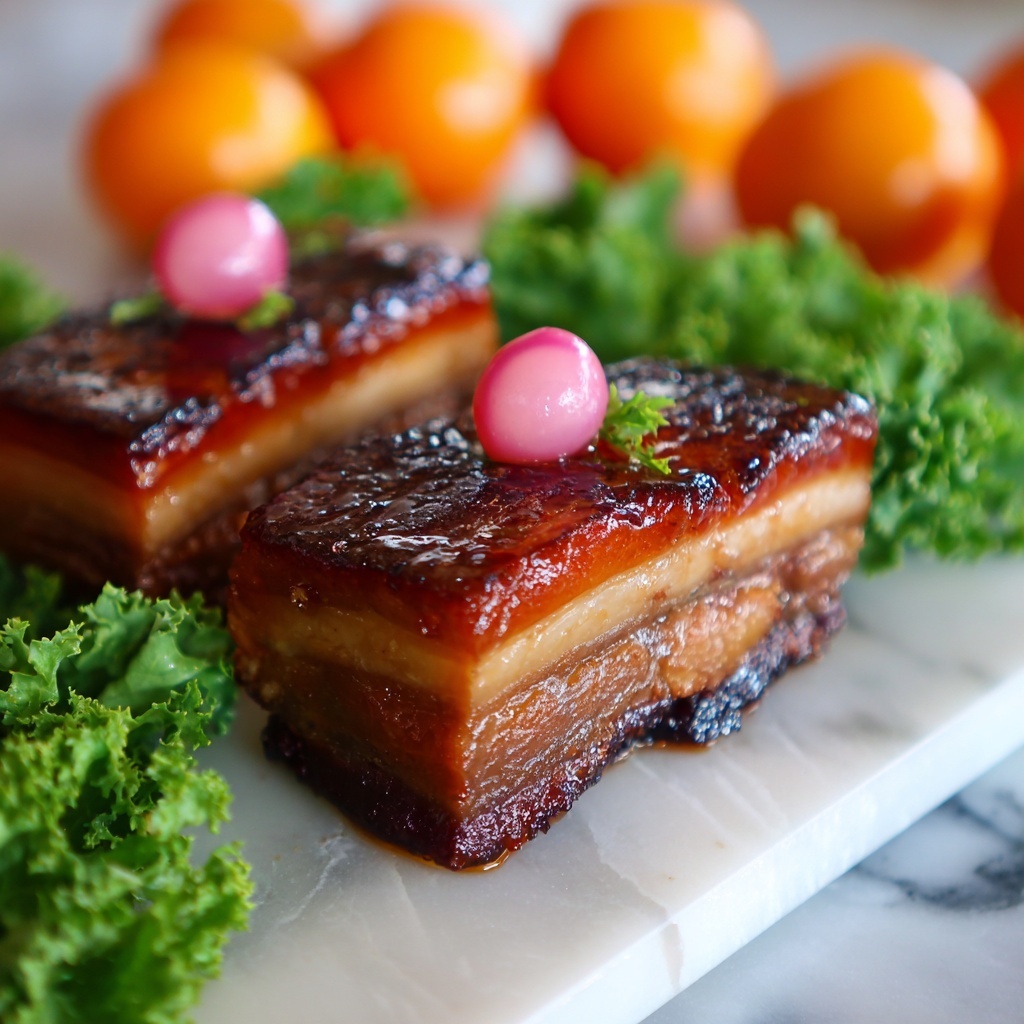
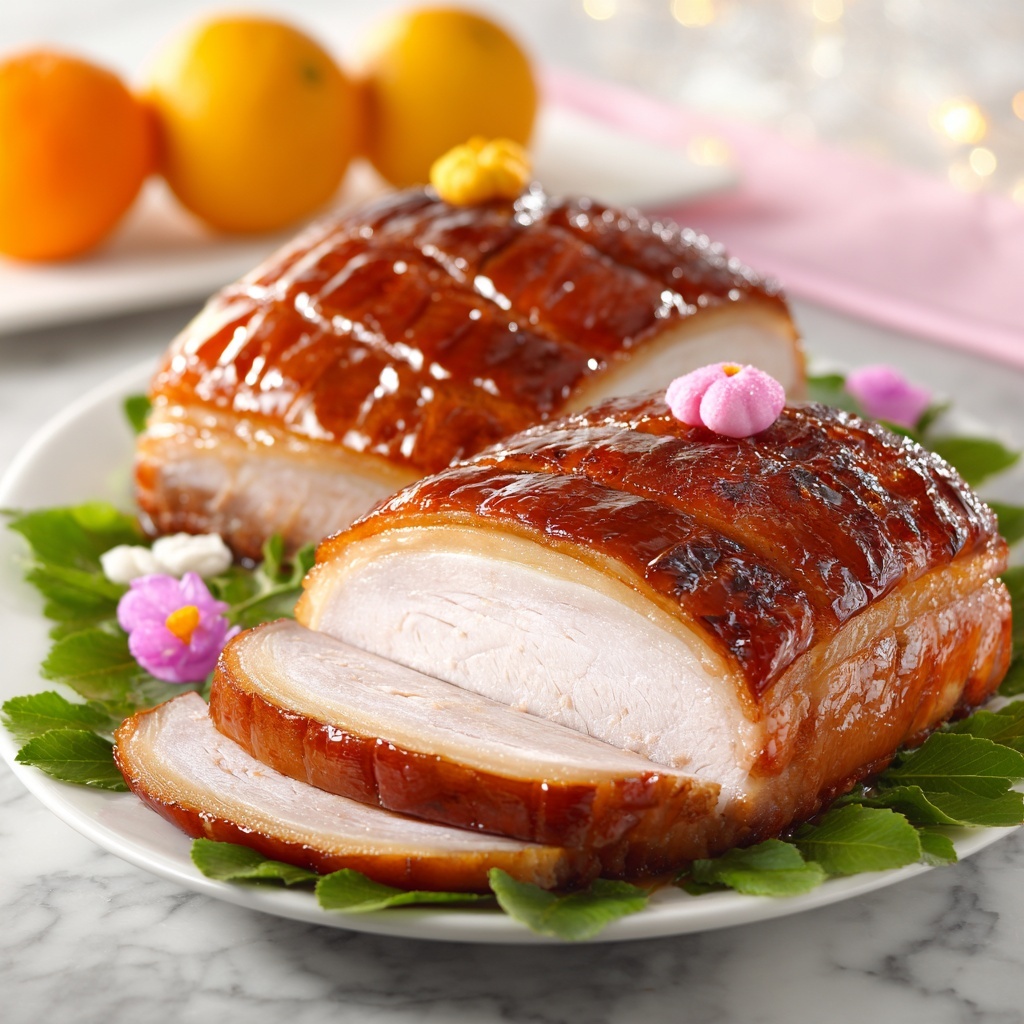
There is nothing quite as enchanting and delicious as a perfectly cooked duck that boasts crispy skin with a luscious, tangy-sweet coating. This Roast Duck with Orange Glaze Recipe brings all of those flavors together in a way that feels both sophisticated and heartwarming at the same time. The rich flavor of the duck pairs beautifully with the bright citrus notes from the fresh orange glaze, creating a dish that’s bound to impress at any dinner table. Whether you’re preparing an intimate meal or serving guests, this recipe is your ticket to a dish that’s bursting with flavor, texture, and a touch of culinary magic.
Ingredients You’ll Need
Every ingredient in this recipe is thoughtfully chosen to complement the rich duck meat and enhance that glorious orange glaze. These simple yet essential components will mix together to create a symphony of flavors—each contributing to the golden color, the tangy sweetness, or the aromatic depth of the dish.
- Whole duck (5-6 lbs): The star of the show, providing rich, flavorful meat with skin perfect for crisping.
- Salt and freshly ground black pepper: Basic seasoning that brings out the natural taste of the duck.
- Orange, quartered: Fills the cavity with fresh citrus aroma and moisture during roasting.
- Onion, quartered: Adds savory depth and sweetness inside the duck’s cavity.
- Fresh thyme sprigs (optional): A fragrant herb that subtly enhances the overall flavor complexity.
- Olive oil: Helps the skin brown beautifully and adds a touch of richness.
- Freshly squeezed orange juice (1 cup): The base of the glaze, delivering bright, fresh citrus punch.
- Orange zest: Intensifies the orange flavor with natural oils from the peel.
- Honey (1/4 cup): Balances the tartness with smooth sweetness, creating that perfect glaze.
- Balsamic vinegar (1/4 cup): Adds a tangy, slightly sweet depth to highlight the citrus.
- Soy sauce (2 tablespoons): Brings umami and a subtle saltiness that deepens the glaze’s flavor.
- Dijon mustard (1 teaspoon): Gives the glaze a mild, spicy kick to round out the sweetness.
How to Make Roast Duck with Orange Glaze Recipe
Step 1: Preheat the Oven
Begin by preheating your oven to 425°F (220°C). This initial high heat setting is crucial for rendering the duck fat and crisping the skin beautifully. Getting your oven to the right temperature at the start sets the foundation for an incredibly golden and crispy exterior.
Step 2: Prepare the Duck
Pat your duck dry with paper towels—this helps the skin crisp rather than steam. Score the skin in a crisscross pattern carefully, making sure not to cut into the meat beneath. Season the entire duck, inside and out, generously with salt and freshly ground pepper. Stuff the cavity with the quartered orange, onion, and thyme if using. Truss the duck with kitchen twine to keep everything snug and ensure even cooking.
Step 3: Roast the Duck
Place the duck on a rack inside a roasting pan. Rub olive oil all over the skin, giving it that luscious, radiant finish as it cooks. Start roasting at the high temperature for 15 minutes to really kick off that crisp skin. Then, reduce the oven to 350°F (175°C) and roast for an additional 1 hour and 30 minutes—roughly 18-20 minutes per pound. Every 30 minutes, carefully spoon out the rendered fat to prevent soggy skin and allow for a nice even roast. In the final half hour, you’ll begin applying the glaze to layer on that gorgeous orange flavor.
Step 4: Prepare the Orange Glaze
While the duck roasts, combine freshly squeezed orange juice, orange zest, honey, balsamic vinegar, soy sauce, and Dijon mustard in a small saucepan. Simmer gently over medium heat for 10 to 15 minutes until the mixture thickens into a glossy, syrupy glaze. Season with salt and pepper to taste. This glaze is the sweet and tangy magic that elevates the duck to a new level of deliciousness.
Step 5: Glaze and Finish Roasting
During the last 30 minutes of roasting, brush the duck every 10 minutes with the orange glaze. This repetition helps build a sticky, flavorful coating that balances crispy skin with luscious sweetness. Once done, let the duck rest for 10 to 15 minutes to allow the juices to redistribute for tender, juicy meat.
Step 6: Serve
Carve the duck carefully and drizzle with any remaining glaze for a final citrus-kissed finish. Prepare to watch your guests’ faces light up as they taste the perfect harmony of crispy skin, succulent meat, and that unforgettable orange glaze.
How to Serve Roast Duck with Orange Glaze Recipe
Garnishes
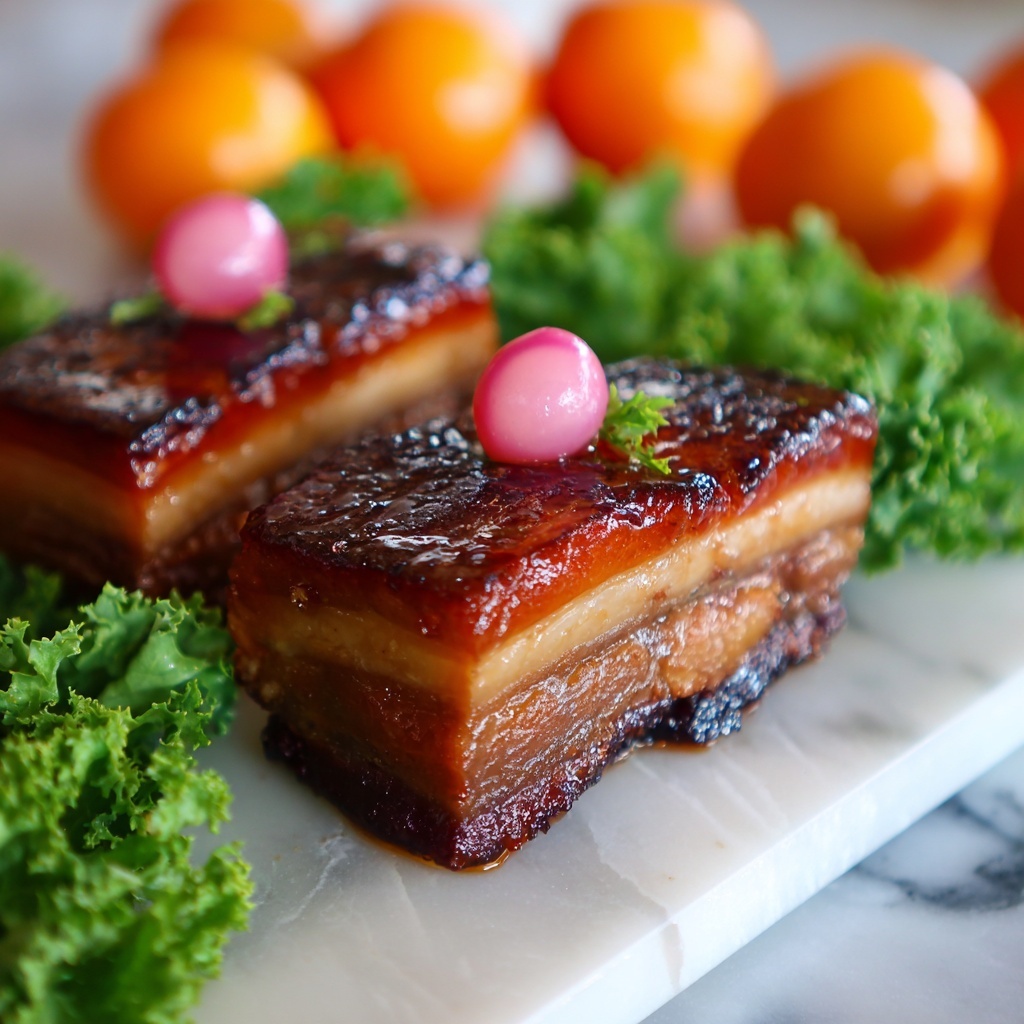
A sprinkle of freshly chopped parsley or a few orange slices placed gracefully alongside your carved duck adds a fresh, vibrant touch, both visually and flavor-wise. A few thyme sprigs can echo the herbaceous hint in the roast and elevate presentation beautifully.
Side Dishes
This dish pairs delightfully with roasted root vegetables like carrots and parsnips or crispy roasted potatoes to soak up the orange glaze. Light options like a simple arugula salad with lemon dressing can freshen the palate and complement the rich duck flavors perfectly.
Creative Ways to Present
Try serving your duck on a rustic wooden board surrounded by scattered orange segments, herbs, and roasted vegetables. For a festive touch, place the whole duck on a platter and carve tableside, letting guests appreciate the crispy skin and glossy glaze right before their eyes.
Make Ahead and Storage
Storing Leftovers
Leftover duck can be stored in an airtight container in the refrigerator for up to 3 days. Be sure to keep the orange glaze separate if you plan to reheat, to preserve its vibrant flavor and consistency.
Freezing
If you want to keep it longer, carve the duck and freeze portions wrapped tightly in plastic wrap and foil or freezer bags for up to 2 months. Freeze the glaze in a separate container to thaw later for maximum freshness.
Reheating
To reheat, warm the duck gently in the oven at 300°F (150°C) covered with foil to avoid drying, then drizzle with the reheated orange glaze just before serving. This method revives the crispy skin and ensures the meat stays tender and juicy.
FAQs
Can I use duck breasts instead of a whole duck?
Absolutely! Duck breasts work well for a quicker meal. Just be sure to score the skin and roast or pan-sear to crisp it up. You can still use the orange glaze to finish off the duck breasts beautifully.
What if I can’t find fresh oranges? Can I use bottled orange juice?
Fresh orange juice and zest really make this recipe shine, but in a pinch, high-quality bottled orange juice can work. Just try to find one with no added sugars or preservatives for the best flavor.
Is it necessary to spoon out the duck fat during roasting?
Spooning out excess fat prevents the duck skin from getting soggy and helps it stay crispy. Plus, saving the rendered fat for cooking later is a delicious bonus!
Can I make the orange glaze ahead of time?
Yes, you can prepare the glaze a day in advance and store it in the refrigerator. Reheat gently before brushing over the duck during the last roasting phase for that brilliant, shiny finish.
How do I know when the duck is fully cooked?
The internal temperature should reach 165°F (74°C). Use a meat thermometer inserted into the thickest part of the thigh without touching bone for the most accurate reading.
Final Thoughts
If you’re looking to create a show-stopping meal that feels both indulgent and approachable, this Roast Duck with Orange Glaze Recipe is the perfect choice. It’s a recipe that invites you to slow down, enjoy the process, and savor every bite of the rich, perfectly glazed duck. I can’t wait for you to try it and discover how effortlessly elegant home cooking can be with a few thoughtful ingredients and a bit of care.
Print
Roast Duck with Orange Glaze Recipe
- Prep Time: 20 minutes
- Cook Time: 1 hour 45 minutes
- Total Time: 2 hours 5 minutes
- Yield: 4 servings
- Category: Main Course
- Method: Roasting
- Cuisine: American
Description
This Roast Duck with Orange Glaze recipe features a crispy-skinned duck roasted to perfection and finished with a tangy, sweet orange glaze. Infused with aromatic herbs and citrus, this elegant dish is perfect for special occasions or a flavorful family meal.
Ingredients
For the Duck
- 1 whole duck (about 5–6 lbs)
- Salt and freshly ground black pepper, to taste
- 1 orange, quartered
- 1 onion, quartered
- 4 sprigs fresh thyme (optional)
- 1 tablespoon olive oil
For the Orange Glaze
- 1 cup freshly squeezed orange juice (about 2–3 oranges)
- Zest of 1 orange
- 1/4 cup honey
- 1/4 cup balsamic vinegar
- 2 tablespoons soy sauce
- 1 teaspoon Dijon mustard
- Salt and pepper, to taste
Instructions
- Preheat the Oven: Preheat your oven to 425°F (220°C) to prepare for roasting the duck at a high temperature initially.
- Prepare the Duck: Pat the duck dry with paper towels. Score the skin in a crisscross pattern carefully without cutting into the meat. Season the inside and outside with salt and pepper. Stuff the cavity with orange quarters, onion, and thyme sprigs for added aroma. Truss the duck with kitchen twine to ensure even cooking.
- Roast the Duck: Place the duck on a rack in a roasting pan and rub the skin with olive oil to encourage crispness. Roast at 425°F for 15 minutes, then reduce the oven temperature to 350°F (175°C). Continue roasting for 1 hour and 30 minutes, or about 18-20 minutes per pound, basting occasionally by spooning out excess fat every 30 minutes. In the last 30 minutes, begin brushing the duck with the orange glaze to build flavor and a glossy finish.
- Prepare the Orange Glaze: While the duck roasts, combine the freshly squeezed orange juice, orange zest, honey, balsamic vinegar, soy sauce, and Dijon mustard in a saucepan. Simmer over medium heat for 10-15 minutes until the glaze thickens to a syrupy consistency. Season with salt and pepper to taste.
- Glaze and Finish Roasting: During the final 30 minutes of roasting, brush the orange glaze over the duck every 10 minutes to create a flavorful and shiny coating. After roasting, let the duck rest for 10-15 minutes to allow juices to redistribute, ensuring moist meat.
- Serve: Carve the rested duck and drizzle with any remaining orange glaze. Serve alongside roasted vegetables, potatoes, or a light salad for a complete meal.
Notes
- Score the duck skin carefully to avoid cutting the meat, which helps render the fat and crisp the skin.
- Trussing the duck ensures even cooking and helps maintain its shape.
- Use a meat thermometer to check for an internal temperature of 165°F (74°C) for food safety.
- Save the rendered duck fat for roasting potatoes or vegetables; it adds great flavor.
- The orange glaze can be made ahead and stored in the refrigerator for up to 3 days.