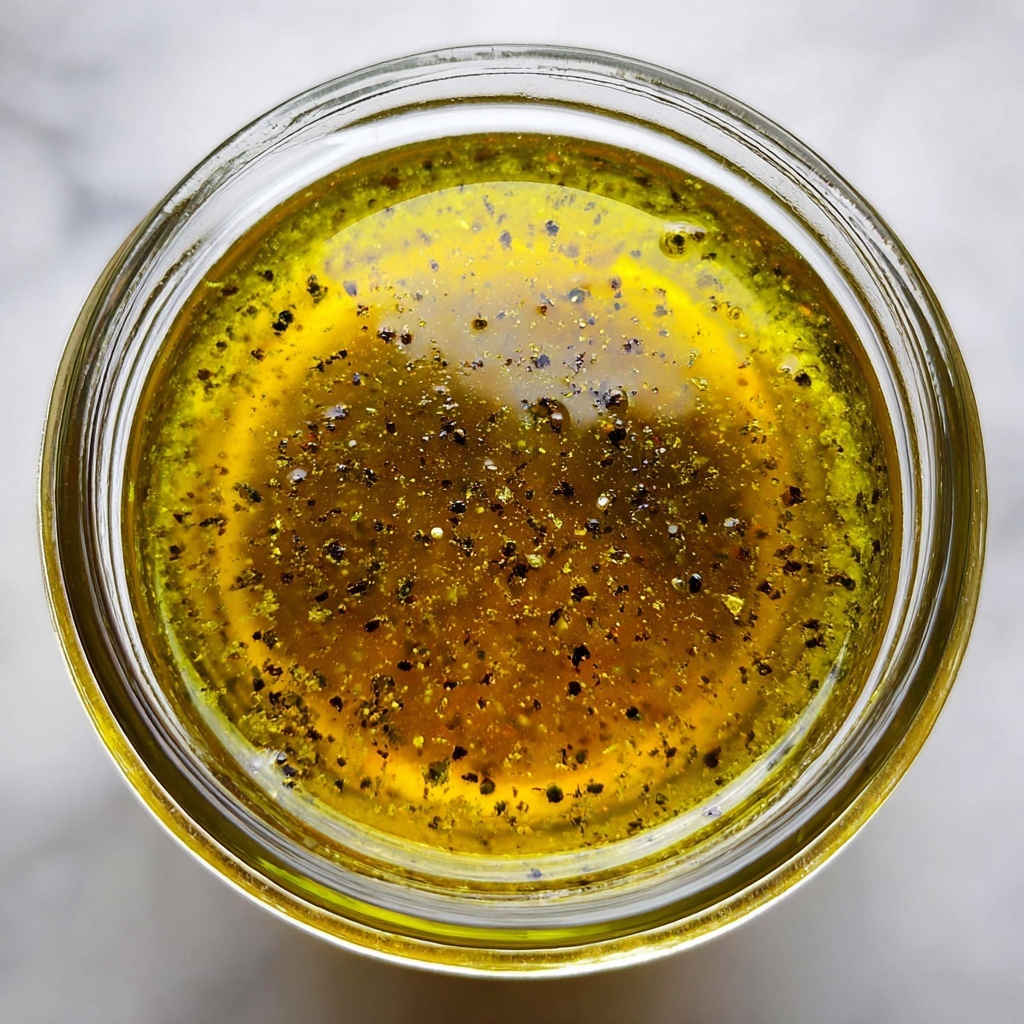
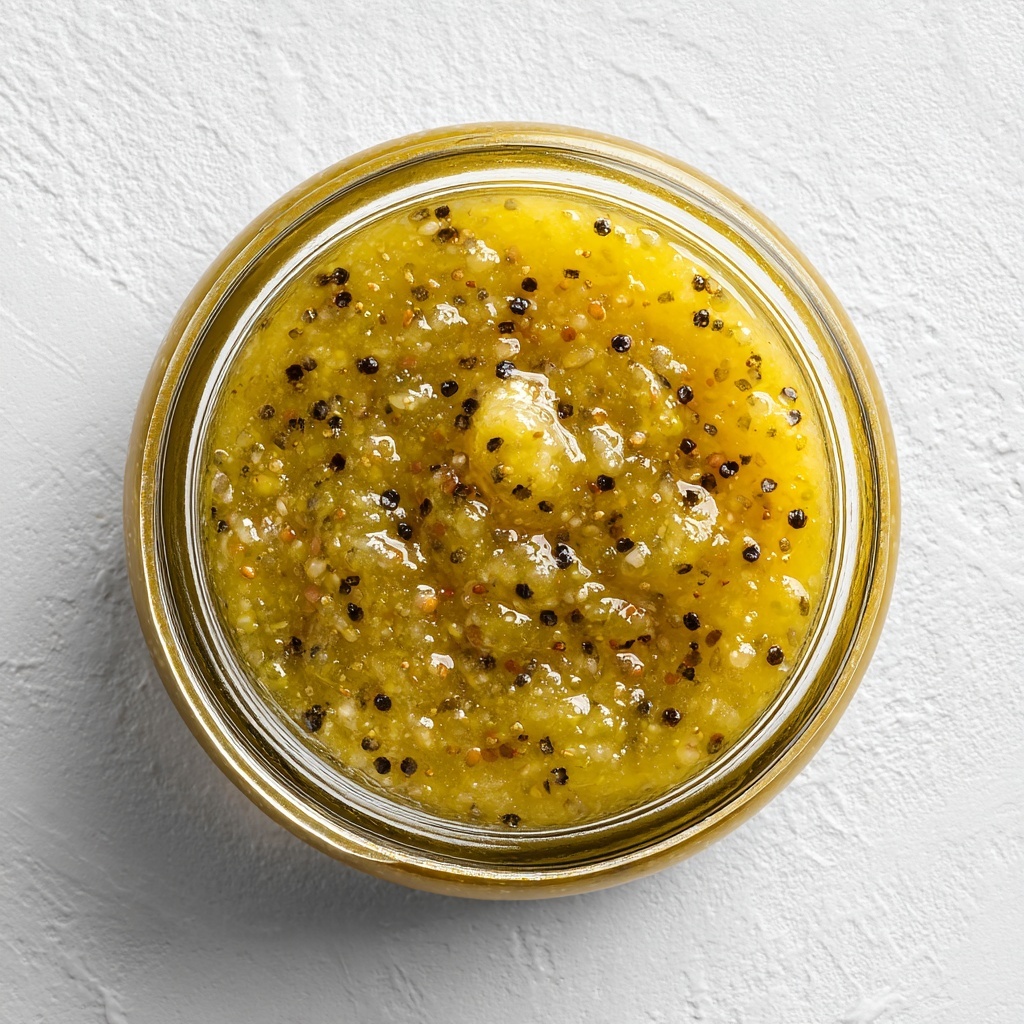
If you love the tangy punch of pickles combined with fiery heat, then this Dill Pickle Hot Sauce Recipe is going to be your new obsession. It’s a vibrant, zesty concoction that beautifully marries the freshness of green hot peppers with the unmistakable tang of dill pickle brine, creating a sauce bursting with complex flavors. Whether you’re drizzling it over tacos, stirring it into dips, or adding a spicy kick to your sandwiches, this sauce is a game changer for anyone who craves that perfect balance of heat and acidity.
Ingredients You’ll Need
Getting started with this sauce is a breeze because the ingredients are straightforward yet crucial. Each element plays an important role—from the peppers providing layered heat, to the dill and pickle brine delivering those signature tangy, herbal notes that define this recipe.
- Green hot peppers (jalapeno and serrano): These create a balanced heat profile without overpowering the other flavors.
- Yellow onion (½ medium, diced): Adds a mild sweetness and depth to the sauce.
- Garlic cloves (6, sliced): Brings warmth and a hint of pungency.
- Mustard seed (½ teaspoon): Offers a subtle bitterness and spice complexity.
- Dried dill (1 teaspoon): Essential for that unmistakable dill pickle aroma.
- Water (2 cups, room temperature): Forms the base of the fermentation brine.
- Sea salt (1 tablespoon): Helps with fermentation and enhances all flavors.
- Dill pickle brine (2 cups, divided): The soul of this sauce, infusing it with tang and brightness.
- Large dill pickles (5–10, adjust to taste): Adds texture and a fresh pickle bite.
- White vinegar (¼ cup): Gives a sharp acidity that brightens the overall flavor.
- Xanthan gum (½ teaspoon, optional): Improves texture and thickness without overpowering.
How to Make Dill Pickle Hot Sauce Recipe
Step 1: Prepare the Fermentation Vessel
First things first, sanitation is key. Thoroughly clean your fermentation vessel with soap and hot water, then let it air dry completely to prevent any unwanted bacteria from creeping in. This step is essential to ensure a safe and successful fermentation.
Step 2: Prepare the Vegetables
Dice the jalapenos, serranos, and yellow onion into manageable pieces so they ferment evenly. Slice the garlic cloves thinly to release their lovely flavors into the brine. Combine all these with the mustard seed and dried dill inside your fermentation vessel, setting the stage for that rich, pickle-inspired taste.
Step 3: Make the Brine
In a separate container, dissolve the sea salt in two cups of room-temperature water until fully dissolved. Pour this over your vegetables, making sure everything is submerged to encourage proper fermentation. If needed, add more brine or dill pickle brine to keep the ingredients completely covered.
Step 4: Start the Fermentation
To keep the veggies fully immersed, place a fermentation weight or a clean alternative on top. Seal your vessel but allow some air exchange if your lid doesn’t have an airlock. Let it sit at room temperature, ideally between 68 and 75 degrees Fahrenheit, for 7 to 14 days. Be sure to check daily to monitor the progress and prevent mold or spoilage.
Step 5: Blend the Sauce
After fermentation, strain the vegetables, saving the brine for later use. Combine the fermented veggies, fresh dill pickles, reserved pickle brine, white vinegar, and the optional xanthan gum in a blender until velvety smooth. This blend creates the signature tangy, spicy, and creamy consistency you want from your hot sauce.
Step 6: Taste and Adjust
Now it’s time to fine-tune the flavors. Add more salt, vinegar, or pickles if you want to tweak the balance between heat and tanginess. For an ultra-smooth sauce, strain it again to remove any remaining pulp, but leaving some texture can add wonderful complexity.
Step 7: Store
Finally, transfer your freshly made dill pickle hot sauce into sterilized jars or bottles and refrigerate. This sauce will keep beautifully for up to 12 months, and the flavors will only deepen over time. Every spoonful promises a vibrant burst of heat and zest.
How to Serve Dill Pickle Hot Sauce Recipe
Garnishes
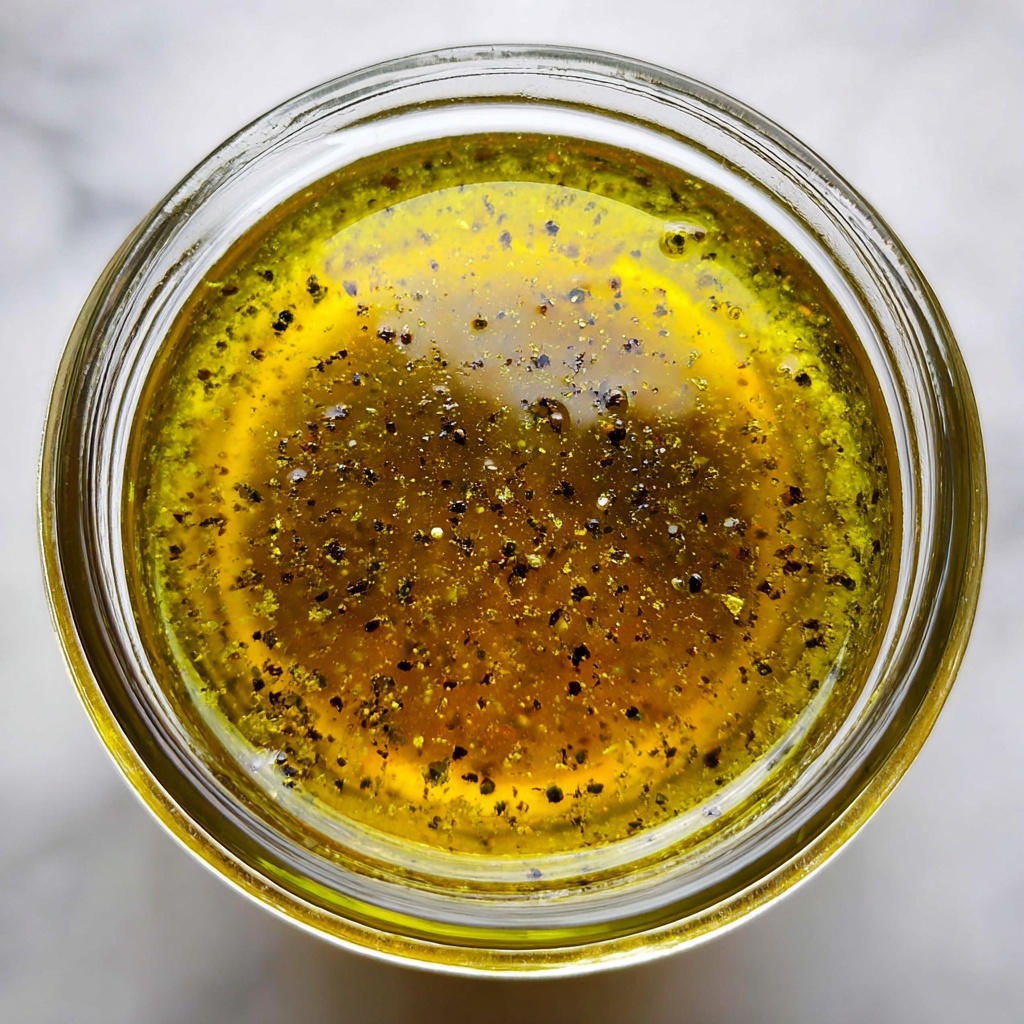
Sprinkle freshly chopped herbs like dill or parsley on top of dishes finished with this sauce to enhance its herbal notes. A thin slice of dill pickle on the side also makes a perfect visual and flavor complement.
Side Dishes
This sauce pairs wonderfully with crispy fries, roasted veggies, or a hearty bowl of soup. Its balanced heat and acidity cut through richer dishes, adding layers of excitement to your plate.
Creative Ways to Present
Get adventurous by turning this Dill Pickle Hot Sauce Recipe into a creamy dip by mixing it with Greek yogurt or sour cream. Drizzle it over deviled eggs for a spicy, tangy twist, or even add a splash to your Bloody Mary for a game-changing cocktail garnish.
Make Ahead and Storage
Storing Leftovers
The beauty of this sauce is its longevity. Once bottled, store it in the fridge and use within a year. Over time, the flavors intensify but maintain their delightful balance, so you can enjoy it long after making it.
Freezing
If you want to keep it for even longer, this sauce freezes well. Pour it into ice cube trays and freeze, then transfer the cubes to a freezer-safe bag. This way, you can thaw small portions as needed without sacrificing freshness.
Reheating
Because the sauce is fermented and vinegar-based, it’s best enjoyed cold or at room temperature to preserve its fresh tang and heat. If you must warm it up, do so gently and briefly—too much heat can mellow some of the complexities.
FAQs
Can I use different types of peppers in this Dill Pickle Hot Sauce Recipe?
Absolutely! While jalapenos and serranos provide balanced heat, you can swap in other green hot peppers depending on your preferred spice level and flavor profile.
How long does fermentation typically take?
Fermentation usually ranges between 7 to 14 days at room temperature. It depends on the ambient temperature and your taste preference for tanginess and fermentation depth.
Is xanthan gum necessary?
Xanthan gum is optional and helps thicken the sauce and improve texture. If you prefer a thinner sauce or want to keep it more natural, you can skip it.
Can I make this sauce vegan and gluten-free?
Yes! All ingredients in this Dill Pickle Hot Sauce Recipe are naturally vegan and gluten-free, making it accessible to many dietary preferences.
What are the best uses for this hot sauce?
Use it as a condiment on sandwiches, a dip for fried foods, a drizzle on grilled meats, or mix it into dressings and marinades for an exciting punch of flavor.
Final Thoughts
There is something truly special about crafting your own Dill Pickle Hot Sauce Recipe that elevates everyday meals and thrills your taste buds with every bite. It’s vibrant, zesty, and fiery all at once—perfect for anyone who loves to experiment in the kitchen. Once you try this sauce, it will quickly become your secret weapon for adding a burst of flavor to all your favorite dishes. So go ahead, give it a shot, and enjoy the incredible journey of flavor that unfolds with each spoonful.
Print
Dill Pickle Hot Sauce Recipe
- Prep Time: 20 minutes
- Cook Time: 7-14 days (fermentation)
- Total Time: 7 days 20 minutes to 14 days 20 minutes
- Yield: About 2 cups (2 servings)
- Category: Condiment
- Method: Fermentation
- Cuisine: American
- Diet: Gluten Free
Description
This Dill Pickle Hot Sauce is a tangy, spicy condiment made by fermenting green hot peppers with classic dill pickle flavors. Combining jalapenos, serranos, garlic, and dill with a traditional fermentation process creates a complex, probiotic-rich sauce enhanced by the briny punch of dill pickle juice. Perfect as a zesty addition to sandwiches, marinades, or dips.
Ingredients
Vegetables & Spices
- 1 lb green hot peppers (jalapeno and serrano for balanced heat)
- ½ medium yellow onion, diced
- 6 garlic cloves, sliced
- ½ teaspoon mustard seed
- 1 teaspoon dried dill
Brine
- 2 cups water (room temperature)
- 1 tablespoon sea salt
- 2 cups dill pickle brine (divided)
Additional Ingredients
- 5–10 large dill pickles (adjust to taste)
- ¼ cup white vinegar
- ½ teaspoon xanthan gum (optional, for texture)
Instructions
- Prepare the Fermentation Vessel: Clean your fermentation vessel thoroughly with soap and hot water, then let it air dry completely to prevent any contamination during the fermentation process.
- Prepare the Vegetables: Dice the jalapeno and serrano peppers along with the yellow onion. Slice the garlic cloves. Add these vegetables to the fermentation vessel together with the mustard seed and dried dill, ensuring they are evenly mixed.
- Make the Brine: Dissolve 1 tablespoon of sea salt into 2 cups of room temperature water to create a salty brine. Pour this brine over the vegetables in the vessel, making sure the vegetables are fully submerged. Add additional dill pickle brine if necessary to cover everything.
- Start the Fermentation: Weigh down the vegetables with a fermentation weight or an appropriate substitute so they remain submerged under the brine. Seal the vessel and keep it at room temperature between 68-75°F. Allow the mixture to ferment for 7–14 days, checking daily to ensure vegetables stay submerged and to monitor flavor development.
- Blend the Sauce: Once fermentation is complete, strain the vegetables from the brine, reserving the liquid. Combine the fermented vegetables with the dill pickles, reserved pickle brine, white vinegar, and xanthan gum (if using) in a blender. Blend until the mixture reaches a smooth consistency.
- Taste and Adjust: Sample the sauce and adjust the seasoning by adding more salt, vinegar, or additional pickle juice according to your flavor preference. For a smoother texture, strain the sauce through a fine mesh sieve if desired.
- Store: Transfer the finished hot sauce into sterilized jars or bottles. Store in the refrigerator where it will keep well for up to 12 months, allowing flavors to continue mellowing over time.
Notes
- Make sure all equipment and vessels are well sterilized to prevent unwanted bacteria during fermentation.
- Use a fermentation weight or a clean smaller jar to keep the vegetables submerged under the brine, which is critical for successful fermentation.
- The fermentation time can be adjusted based on your desired sourness and flavor complexity—longer fermentation yields tangier sauce.
- Xanthan gum is optional and helps to improve the texture, making the sauce thicker and more stable.
- Adjust heat by varying the ratio of jalapeno to serrano peppers based on your spice tolerance.
- Pickles and pickle brine add a distinctive dill flavor and saltiness; adjust quantity for a more intense taste.