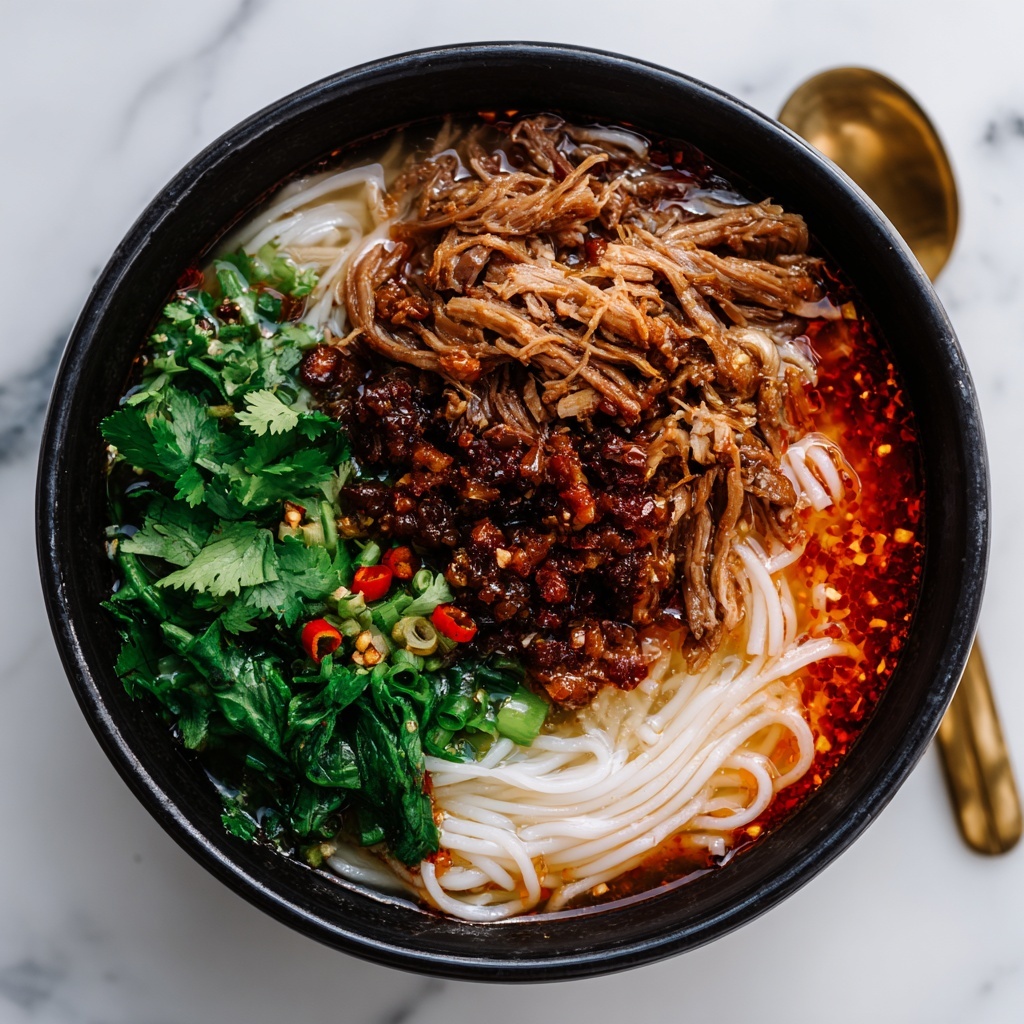
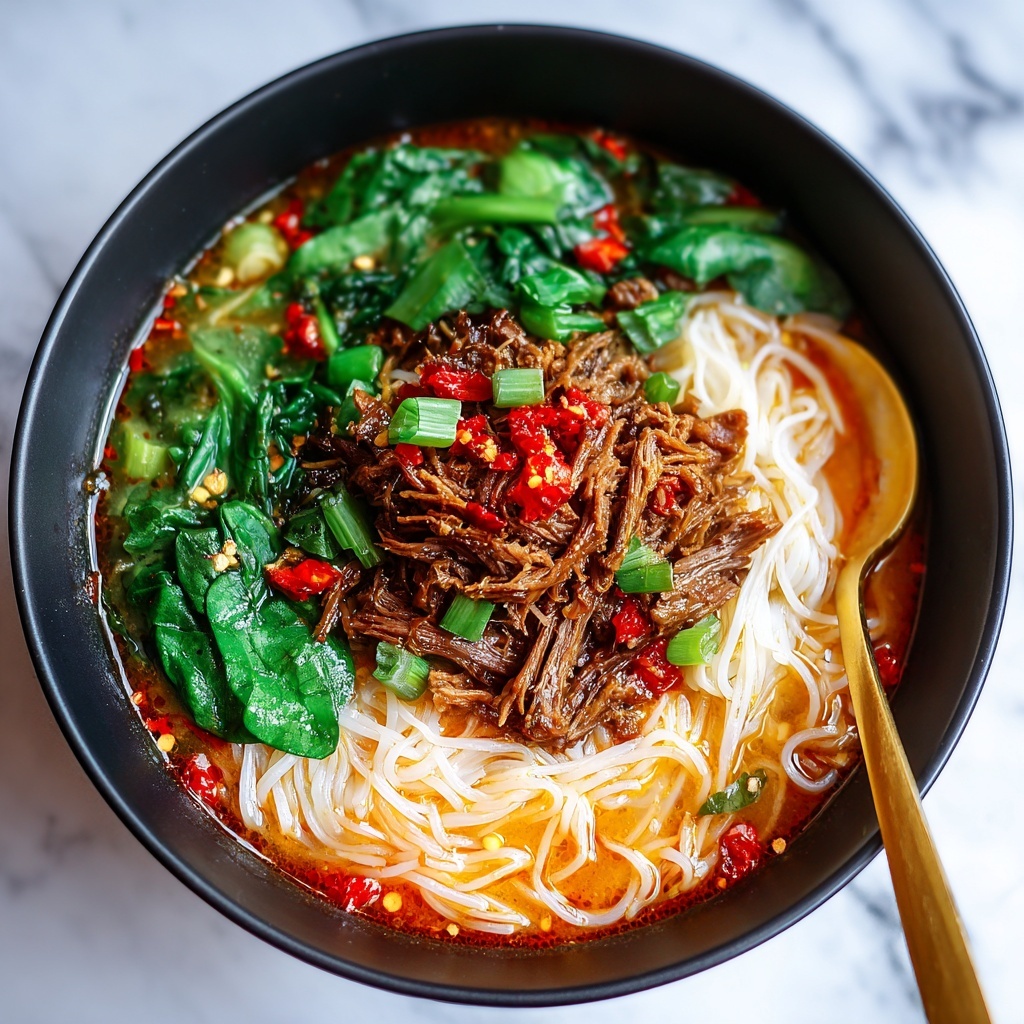
If you are ready to dive into a soul-soothing meal packed with vibrant flavors and comforting warmth, this Korean Spicy Beef and Vegetable Soup Recipe is exactly what you need. This dish masterfully blends tender beef brisket with an array of fresh and dried vegetables to create a deep, layered broth that tingles your taste buds with authentic Korean spice and umami. The perfect balance of hearty and spicy, this soup is a feast for the senses and an ideal comfort food for any day of the year.
Ingredients You’ll Need
The magic of this Korean Spicy Beef and Vegetable Soup Recipe comes from a handful of simple yet crucial ingredients. Each one plays a special role, contributing essential textures, flavors, and colors that make the soup come alive in your bowl.
- 0.8 oz (22g) dried fernbrake: Offers a pleasantly chewy texture and a distinct earthy flavor, staple in Korean soups.
- 1 oz (28g) dried taro stem (optional): Adds unique fiber and subtle nuttiness that enhances the broth’s complexity.
- 8 oz (225g) mung bean sprouts: Provides a fresh, crisp bite to balance the rich broth.
- 5 oz (140g) oyster mushrooms (or shiitake), torn into bite-size pieces: Imparts umami depth and tender mushroom flavor.
- 2 Asian leeks: Adds mild onion-like sweetness and vibrancy to the soup.
- 3 cloves garlic, minced: Essential aromatic to deepen the savory profile.
- 1 teaspoon Korean chili paste (gochujang): A spicy, slightly sweet base that gives the soup its characteristic kick.
- 1 tablespoon soy sauce: For salty balance and savory richness.
- 3 tablespoons Korean soup soy sauce (gukganjang): Intensifies flavor with its deeper and saltier profile perfect for broth seasoning.
- 1 1/2 tablespoons Korean anchovy sauce: Adds a subtle seafood umami that enhances complexity.
- Salt and pepper, to taste: To bring all ingredients into harmony.
- 1 1/4 lb (560g) beef brisket: The hearty protein centerpiece that becomes tender and juicy after slow simmering.
- 1 large onion, cut in half: Sweetens and flavors the stock naturally.
- 1 whole garlic, cut in half: Provides aromatic depth during stock-making.
- 1/2 lb (225g) Korean radish, cut into large chunks: Adds subtle sweetness and helps enrich the broth with minerals.
- 14 cups (about 3 liters) water: The base liquid for your nourishing soup stock.
- 2 tablespoons oil: Used for creating the spicy chili oil layer.
- 2 tablespoons sesame oil: Adds comforting nuttiness and aroma to the final dish.
- 3-4 tablespoons Korean chili flakes (gochugaru): Delivers bold heat and beautiful red color.
How to Make Korean Spicy Beef and Vegetable Soup Recipe
Step 1: Rehydrate the Dried Vegetables
Begin by preparing your dried vegetables for the soup. The dried fernbrake and taro stem need to be boiled separately until they soften. Soak them in water for about an hour before draining, rinsing, and slicing them thinly. This step revives their flavor and texture, which adds authenticity and earthiness to the broth.
Step 2: Make a Rich Beef Stock
Combine your beef brisket, halved onion, whole garlic, and chunky radish in a large stockpot filled with 14 cups of water. Bring it all to a boil before lowering the heat to let it simmer gently for 45 minutes. This slow simmering extracts maximum flavor from the beef and vegetables, creating a rich, deeply savory stock that forms the heart of this Korean Spicy Beef and Vegetable Soup Recipe. Afterward, discard the solids, shred the beef into bite-sized pieces, and strain the broth for a clear, clean base.
Step 3: Blanch the Fresh Vegetables
Prepare the Asian leeks by thoroughly washing and trimming them. Then, briefly blanch the mung bean sprouts, mushrooms, and leeks in boiling salted water. This quick process softens the vegetables just enough while preserving their vibrant colors and fresh crunch. Drain well, rinse with cold water, and squeeze out excess moisture to keep the soup bright and balanced.
Step 4: Create the Spicy Chili Oil
In a pot over low heat, combine your oil and fragrant sesame oil, warming them gently. Add the Korean chili flakes (gochugaru) and stir for about 30 seconds until the oil is beautifully red and fragrant. This chili oil is the bold foundation that will lift the soup with a spicy, aromatic punch that defines the Korean Spicy Beef and Vegetable Soup Recipe.
Step 5: Combine and Simmer All Components
Add the blanched vegetables and shredded beef directly into the chili oil. Carefully pour in the reserved beef stock and stir in the gochujang, distributing its vibrant flavor evenly. Let this mixture simmer on a gentle heat for 15 to 20 minutes so the flavors marry perfectly, yielding a soup bursting with warmth, spice, and umami richness.
Step 6: Season to Perfection
Finish by seasoning your soup with soy sauce, Korean soup soy sauce (gukganjang), and anchovy sauce. Taste and adjust salt and pepper as needed. This final seasoning step fine-tunes the complex layers of saltiness, sweetness, and savoriness, making this Korean Spicy Beef and Vegetable Soup Recipe truly irresistible.
How to Serve Korean Spicy Beef and Vegetable Soup Recipe
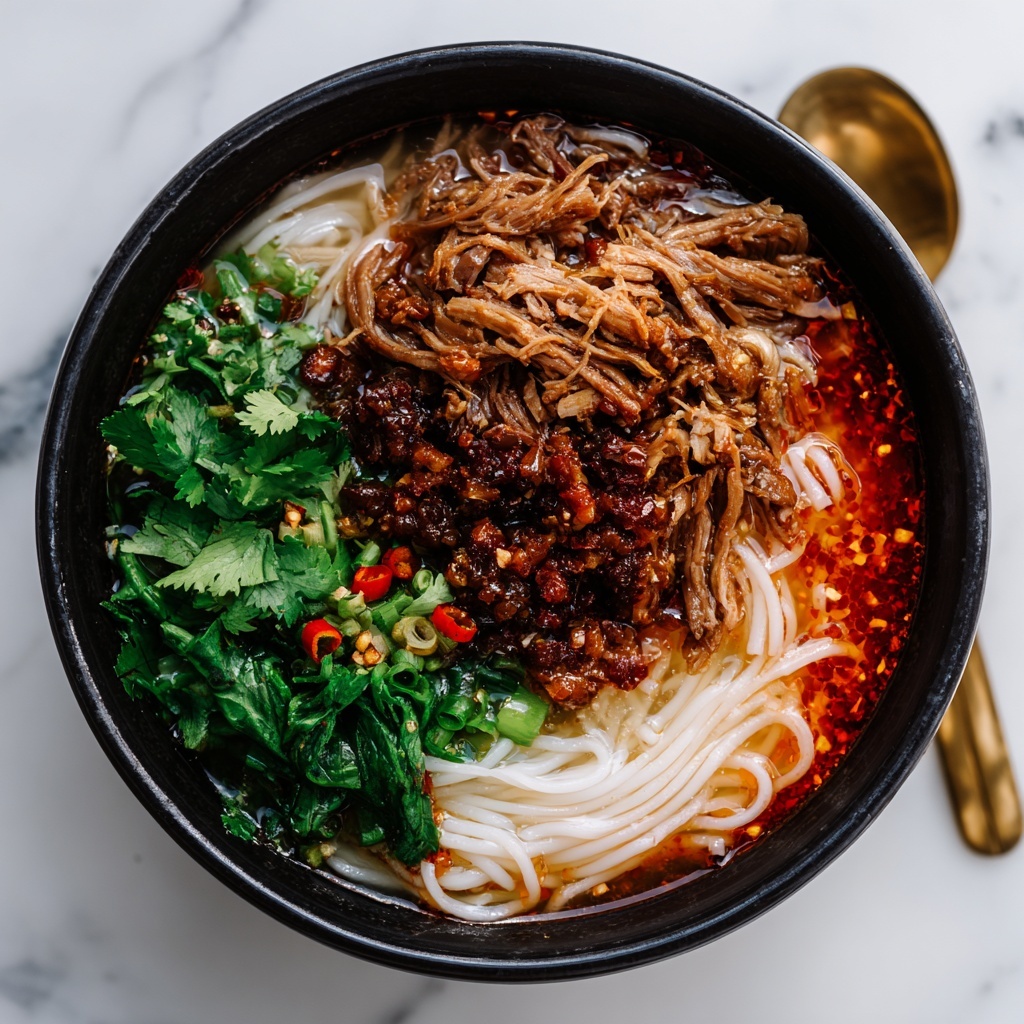
Garnishes
To elevate your bowl visually and flavor-wise, sprinkle chopped green onions or fresh cilantro just before serving. A drizzle of extra sesame oil or a few toasted sesame seeds adds a lovely nutty fragrance that complements the soup’s heat perfectly.
Side Dishes
This robust soup pairs beautifully with classic Korean sides like steamed rice, kimchi, or pickled vegetables. The cool, tangy kimchi contrasts wonderfully with the soup’s spicy heat, creating a balanced and satisfying meal experience.
Creative Ways to Present
For a fun twist, serve this soup in individual stone bowls, which will keep each serving piping hot for longer. You can also offer additional chili paste or fresh chili slices on the side, allowing each guest to customize their spice level. It’s a delightful way to enjoy the Korean Spicy Beef and Vegetable Soup Recipe while adding an interactive aspect to your meal.
Make Ahead and Storage
Storing Leftovers
Once cooled, transfer any leftover soup into an airtight container and store it in the fridge. It will keep well for up to 3 days, making it a fantastic make-ahead option for busy days when you crave something nourishing and quick.
Freezing
This soup freezes beautifully thanks to its robust ingredients and broth. Divide it into smaller portions in freezer-safe containers or bags, and it can be stored for up to 2 months. Just remember to leave some space in the container for expansion when freezing.
Reheating
Reheat leftovers gently on the stove over medium heat until hot all the way through. Stir occasionally to prevent sticking and to redistribute flavors evenly. Avoid reheating in a microwave if possible, as the flavors and textures are best preserved through gentle stovetop warming.
FAQs
Can I use different cuts of beef for this soup?
Absolutely! While brisket is traditional for its flavor and tenderness after simmering, you can also use chuck roast or short ribs. Just make sure to simmer the beef slowly to break down connective tissue and maximize tenderness.
What can I substitute if I can’t find Korean chili flakes?
If Korean gochugaru is unavailable, you can use a mild red chili flake as a substitute. However, gochugaru has a subtle smokiness and sweetness, so try to find it for the most authentic flavor. Adjust the quantity to taste since other chili flakes may differ in heat level.
Is it possible to make this soup vegetarian or vegan?
Yes, by skipping the beef brisket and anchovy sauce, you can make a vegetarian or vegan version. Substitute with vegetable broth and add extra mushrooms and tofu for protein and richness. The Korean chili paste and chili flakes will still provide plenty of flavor and heat.
How spicy is this Korean Spicy Beef and Vegetable Soup Recipe?
The spice level can be adjusted easily. The combination of gochujang and gochugaru creates a pleasant heat that warms the palate. If you prefer milder, reduce the chili flakes and gochujang amount, or omit them for a nearly spice-free version.
Can I prepare some parts of the soup in advance?
Definitely! Making the beef stock and rehydrating dried vegetables ahead of time will save you a lot of prep work on cooking day. Store the stock and prepped veggies separately in the fridge, then assemble the soup quickly when you are ready to eat.
Final Thoughts
This Korean Spicy Beef and Vegetable Soup Recipe is a true celebration of comforting yet exciting flavors. It perfectly showcases how simple ingredients, with a little time and love, transform into a dish bursting with warmth, spice, and texture. I encourage you to try making it at home—you might just discover your new favorite go-to comfort meal that feels like a warm hug in every spoonful.
Print
Korean Spicy Beef and Vegetable Soup Recipe
- Prep Time: 30 minutes
- Cook Time: 40 minutes
- Total Time: 1 hour 10 minutes
- Yield: 8 servings
- Category: Soup
- Method: Stovetop
- Cuisine: Korean
Description
Korean Spicy Beef Vegetable Soup is a flavorful and hearty traditional Korean dish featuring tender beef brisket, assorted vegetables, and a spicy chili-infused broth. This recipe involves making a rich beef stock, preparing fresh and rehydrated vegetables, and combining them with Korean chili paste and flakes for an authentic spicy kick. Perfect for warming up on a chilly day, this soup offers a balanced blend of savory, spicy, and umami flavors.
Ingredients
Dried Vegetables
- 0.8 oz (22g) dried fernbrake
- 1 oz (28g) dried taro stem (optional)
Fresh Vegetables
- 8 oz (225g) mung bean sprouts
- 5 oz (140g) oyster mushrooms (or shiitake), torn into bite-size pieces
- 2 Asian leeks
- 1 large onion, cut in half
- 1 whole garlic, cut in half
- 3 cloves garlic, minced
- 1/2 lb (225g) Korean radish, cut into large chunks
Beef and Broth
- 1 1/4 lb (560g) beef brisket
- 14 cups (about 3 liters) water
Seasonings and Oils
- 1 teaspoon Korean chili paste (gochujang)
- 1 tablespoon soy sauce
- 3 tablespoons Korean soup soy sauce (gukganjang)
- 1 1/2 tablespoons Korean anchovy sauce
- Salt and pepper, to taste
- 2 tablespoons oil
- 2 tablespoons sesame oil
- 3–4 tablespoons Korean chili flakes (gochugaru)
Instructions
- Rehydrate dried vegetables: Boil the dried fernbrake and dried taro stem separately until they soften. Then soak them for 1 hour. After soaking, drain, rinse, and slice them into manageable pieces.
- Make beef stock: In a large stockpot, combine onion halves, whole garlic halves, Korean radish chunks, and beef brisket with 14 cups of water. Bring to a boil, then reduce heat to simmer. Cook for 45 minutes to extract flavors into the broth. After simmering, discard the vegetables, strain the stock, and shred the beef brisket into bite-size pieces.
- Blanch fresh vegetables: Prepare the Asian leeks by trimming and cleaning them. In boiling salted water, briefly blanch mung bean sprouts, mushrooms, and leeks for just a few seconds until slightly softened. Drain the vegetables, rinse with cold water to stop cooking, and squeeze out excess water.
- Make chili oil: Heat both the oil and sesame oil together in a pot over low heat. Add the Korean chili flakes (gochugaru) and stir continuously for about 30 seconds to infuse the oil with spice without burning the flakes.
- Combine and simmer: Add the blanched vegetables and shredded beef into the chili oil pot. Pour in the reserved beef stock and stir in the Korean chili paste (gochujang). Let the soup simmer gently for 15-20 minutes to marry the flavors.
- Season the soup: Add soy sauce, Korean soup soy sauce (gukganjang), and anchovy sauce to the simmering soup. Adjust salt and pepper to taste to achieve the perfect balance.
Notes
- Soaking and rehydrating dried vegetables adds depth and texture to the soup.
- Using both regular soy sauce and gukganjang creates a complex savory flavor classic to Korean soups.
- Adjust the amount of chili flakes and gochujang to control the spiciness according to your preference.
- Blanching fresh vegetables briefly keeps them crisp and vibrant in the soup.
- This soup reheats well and flavors deepen after a day in the refrigerator.