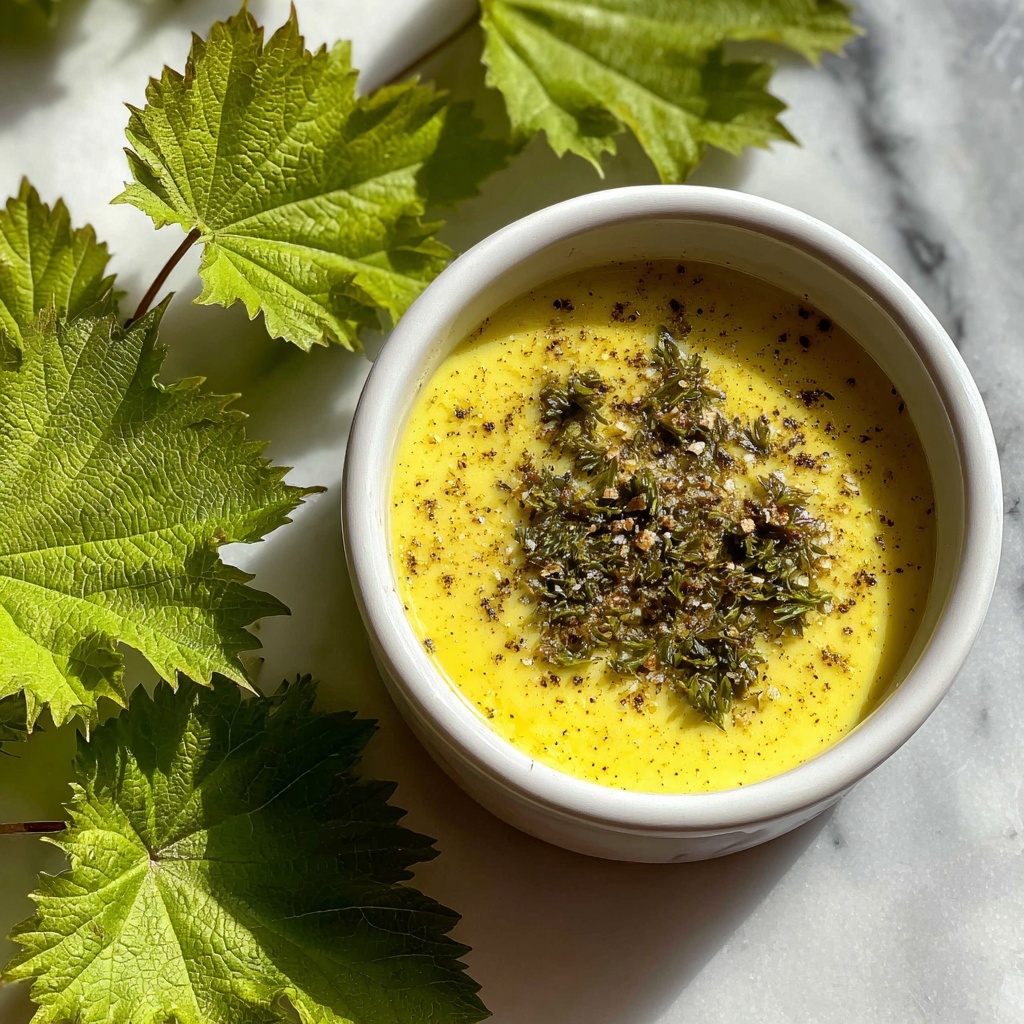
The Sage Butter Sauce Recipe is a timeless classic that elevates any meal with its rich, nutty flavors and fragrant herbal notes. This simple sauce, featuring golden browned butter infused with fresh or dried sage leaves, brings a cozy warmth to your dishes, perfect for enhancing pasta, roasted vegetables, or even a crispy chicken breast. It is quick to make yet delivers an impressive depth of flavor that makes every bite feel special without any fuss in the kitchen.
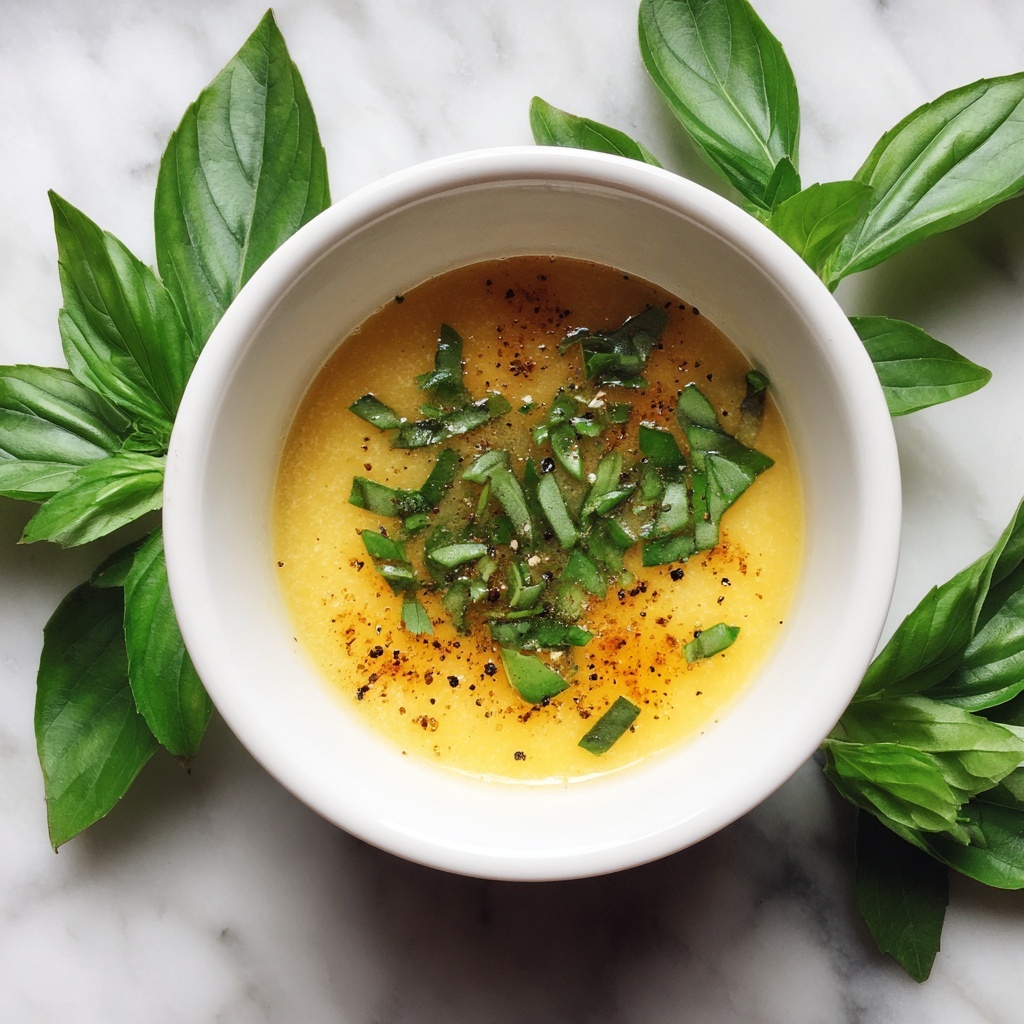
Ingredients You’ll Need
Gathering a handful of straightforward ingredients is all it takes to craft this delicious sauce. Each one plays an essential role in delivering a buttery silkiness, herbaceous brightness, and balanced seasoning to the finished dish.
- Unsalted butter: Using unsalted butter lets you control the saltiness and ensures a fresh, creamy base that browns beautifully.
- Fresh sage leaves or dried sage: Fresh provides vibrant herbal aroma, while dried offers concentrated flavor—both are wonderful in their own ways.
- Salt: Enhances and balances the savory notes of the sauce, tailored to your taste.
- Pepper: Adds a gentle spicy kick that complements the butter and sage perfectly.
- Garlic (optional): A little minced garlic introduces warmth and complexity if you want to take the flavor up a notch.
How to Make Sage Butter Sauce Recipe
Step 1: Clean and Prepare the Sage Leaves
Begin by rinsing your fresh sage leaves under cold water to remove any dirt or residue. Tear the leaves away from their woody stems and discard the stems. Then, finely chop the leaves with a sharp knife to release their wonderful aroma and ensure even flavor distribution in the sauce.
Step 2: Melt and Brown the Butter
Cut the unsalted butter into smaller pieces to help it melt evenly. Place it in a medium-sized frying pan over medium heat and allow it to melt slowly. Keep a close eye on the butter as it melts and starts to turn a light golden brown with a nutty scent—that’s the magic moment. This usually takes about 3 to 5 minutes. Remove the pan from heat promptly to avoid burning, which can spoil the flavor.
Step 3: Infuse the Sage
Add the finely chopped sage leaves into the browned butter. Stir continuously as the sage simmers gently in the butter for 2 to 4 minutes. This step infuses the sauce with the earthy, herbal notes of sage while the butter stays warm and smooth. Consistent stirring prevents the sage from sticking or burning, ensuring a balanced flavor throughout.
Step 4: Season and Add Garlic If Desired
Remove the pan from the heat. Season your sauce with salt and freshly ground pepper to taste. If you love a touch more depth, now is the perfect time to stir in that optional minced garlic. The residual heat will mellow the garlic’s pungency, blending it seamlessly into the sauce for an extra layer of deliciousness.
How to Serve Sage Butter Sauce Recipe
Garnishes
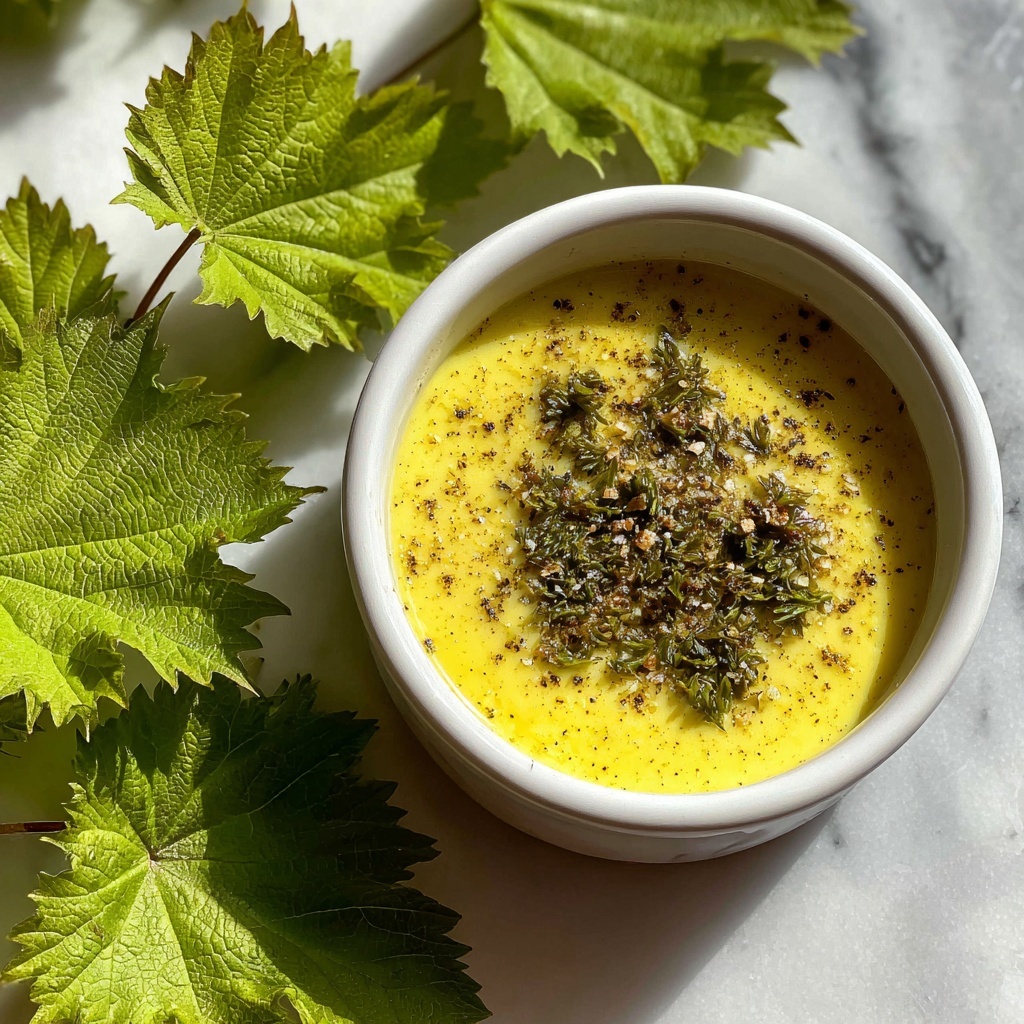
A sprinkle of fresh sage leaves on top adds a burst of color and reinforces the herbal fragrance. For some visual pop, try a dusting of finely grated Parmesan or a few toasted pine nuts for crunch and nuttiness.
Side Dishes
This sauce is a dream over al dente pasta, roasted butternut squash, or crispy potatoes. It also pairs beautifully with seared chicken breasts, pan-fried fish, or even drizzled over roasted Brussels sprouts to transform humble sides into something spectacular.
Creative Ways to Present
For an eye-catching dinner, drizzle the Sage Butter Sauce Recipe in a zigzag over grilled meat or vegetables and finish with a few whole sage leaves crisped in the browned butter. Alternatively, use the sauce as a dipping option alongside artisan bread or roasted garlic cloves for an appetizer that sparks conversation.
Make Ahead and Storage
Storing Leftovers
You can keep leftover sage butter sauce in an airtight container in the refrigerator for up to 3 days. Make sure it cools completely before sealing to maintain its vibrant flavor and texture.
Freezing
For longer storage, freeze the sauce in small portions using ice cube trays or freezer-safe containers. This way, you can thaw just what you need without wasting any. Frozen sage butter sauce will keep well for up to 2 months.
Reheating
When reheating, do so slowly over low heat to prevent the butter from separating or burning. Stir gently until it’s warm and creamy again. If the sauce thickens too much when chilled, a splash of warm water or broth can help loosen it up without diluting the flavor.
FAQs
Can I use dried sage instead of fresh in the Sage Butter Sauce Recipe?
Absolutely! Dried sage has a more concentrated flavor, so you’ll want to use about half the amount compared to fresh. Both versions make a delicious sauce, it just depends on what you have on hand.
Is garlic necessary in the Sage Butter Sauce Recipe?
Garlic is totally optional. It adds a lovely depth and warmth but the sauce is perfectly flavorful on its own with just butter and sage. Feel free to skip it if you want a purer taste.
What dishes pair best with Sage Butter Sauce Recipe?
This sauce shines on pasta, gnocchi, roasted vegetables, grilled or roasted meats, and fish. It’s incredibly versatile and adds a sophisticated touch to many dishes.
How do I prevent the butter from burning?
Browning butter is a quick process, so keep the heat moderate and watch it carefully. Remove it from the heat as soon as you see a golden brown color and smell that nutty aroma. Stirring helps keep it even and prevents burning.
Can I make the sauce in advance?
Yes, you can prepare the sauce ahead of time and reheat gently before serving. Making it in advance can even deepen the flavors as the sage infuses fully into the butter.
Final Thoughts
I can’t recommend enough giving this Sage Butter Sauce Recipe a try—it’s a wonderful little kitchen secret that instantly upgrades your meals with its buttery richness and fragrant herbiness. Whether for a simple weeknight dinner or a special occasion, this sauce is ready to become one of your favorites too. Enjoy the warmth and comfort it brings to your table!
Print
Sage Butter Sauce Recipe
- Prep Time: 5 minutes
- Cook Time: 10 minutes
- Total Time: 15 minutes
- Yield: 4 servings
- Category: Sauce
- Method: Frying
- Cuisine: Italian
Description
This simple and elegant Sage Butter Sauce recipe combines browned butter with fresh or dried sage to create a fragrant, nutty sauce perfect for drizzling over pasta, grilled meats, or fish. With only a few ingredients and ready in just 15 minutes, it elevates any dish with minimal effort.
Ingredients
Ingredients
- 6 tbsp unsalted butter, cut into pieces
- 4 tbsp fresh sage leaves or 4 teaspoons dried sage
- Salt, to taste
- Pepper, to taste
- 1 clove garlic, minced (optional)
Instructions
- Clean and chop the sage leaves: Rinse the sage leaves under cold water. Remove the leaves from the stems, discarding the stems. Chop the sage leaves finely using a sharp knife to release their flavors.
- Melt the butter in a pan: Cut the butter into slices for even melting. Place the butter in a medium-sized frying pan over medium heat. Melt it slowly until it turns light brown and emits a nutty aroma, about 3-5 minutes, watching carefully to avoid burning. Remove from heat once browned.
- Add the sage to the pan: Stir in the chopped sage leaves into the browned butter. Cook for 2 to 4 more minutes over medium heat, stirring constantly to infuse the butter with sage flavor while preventing burning.
- Season and serve: Remove the pan from heat. Season with salt and pepper to taste. Optionally, stir in minced garlic for extra flavor. Serve the sage butter sauce immediately over pasta, grilled chicken, fish, or meats, adjusting seasoning as desired.
Notes
- Use fresh sage leaves if possible for the best flavor; dried sage works as a substitute but is less aromatic.
- Watch the butter carefully as it browns quickly and can burn if unattended.
- Add minced garlic at the end to prevent it from burning and to retain its pungency.
- This sauce pairs beautifully with gnocchi, ravioli, roasted vegetables, or pan-seared meats.
- For a dairy-free version, substitute butter with a plant-based alternative and proceed the same way.