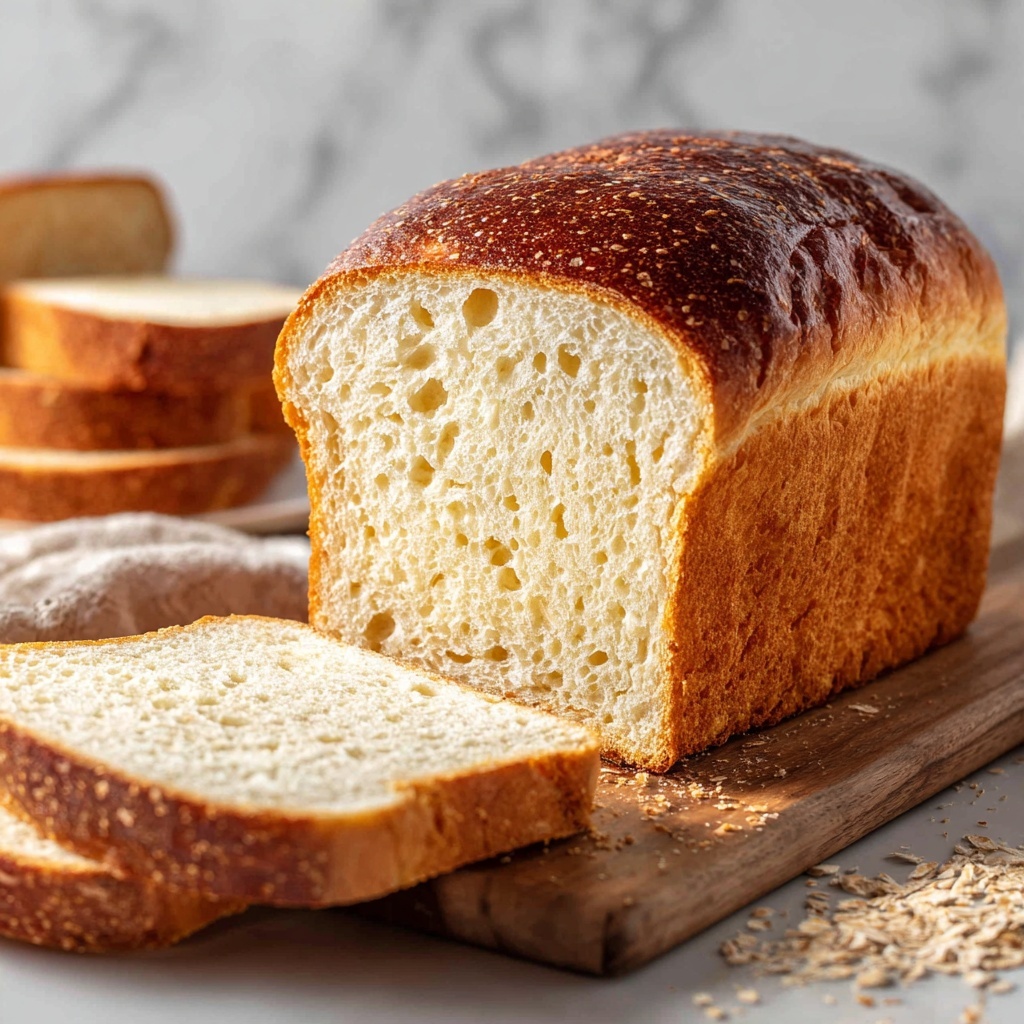
If you’ve ever dreamed of biting into a piece of bakery-quality bread fresh out of your oven, this Soft Fluffy French Bread Recipe is here to make that dream a delicious reality. With its perfectly tender crumb, golden crust, and gentle springiness, this bread is the ultimate comfort food. What makes it even better is how straightforward it is to prepare using simple ingredients you probably already have in your pantry. Whether you’re a seasoned baker or just starting out, this recipe will fill your home with the irresistible aroma of fresh bread, making every bite feel like a warm hug.
Ingredients You’ll Need
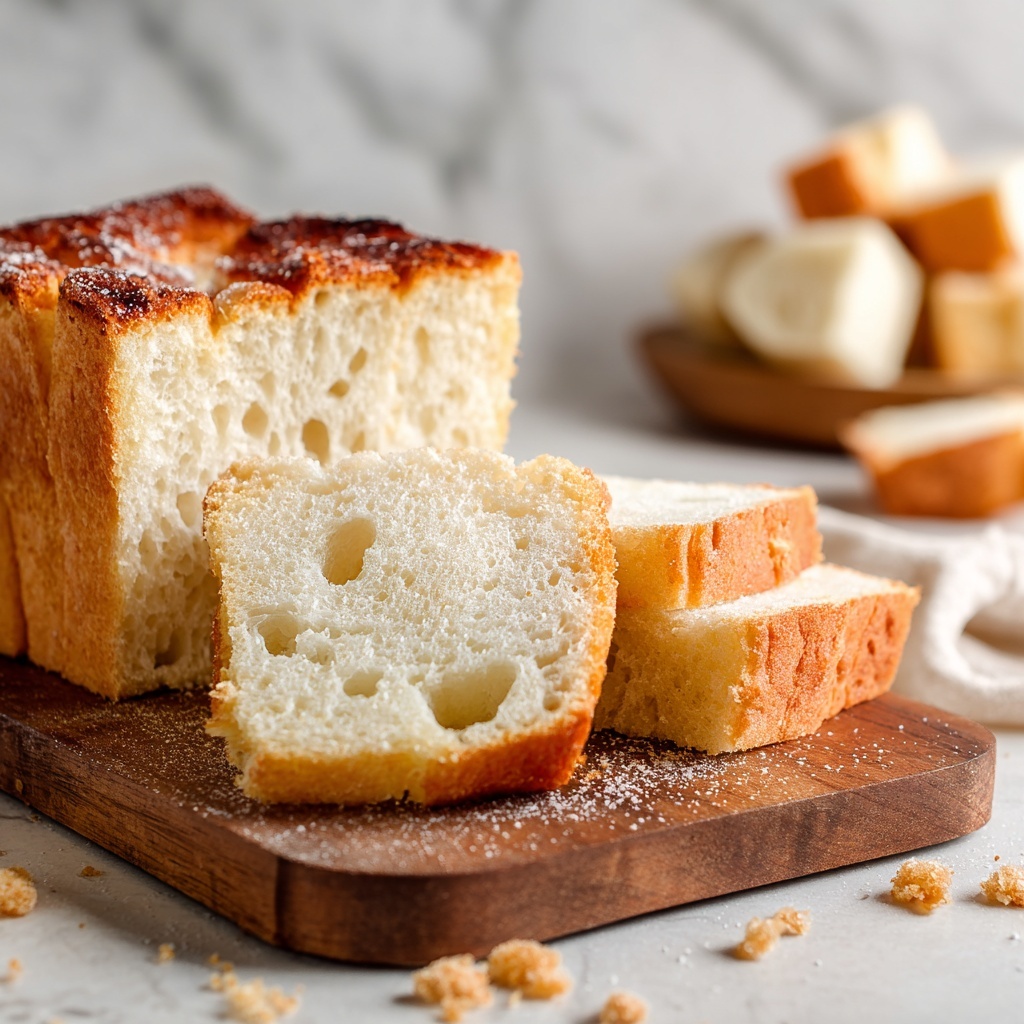
This Soft Fluffy French Bread Recipe calls for a handful of essential ingredients that each play a big role in crafting the ideal loaf. Each component is chosen for its contribution to flavor, texture, and that inviting golden crust we all love.
- All-purpose flour: The backbone of your bread, it provides structure and a soft crumb when handled with care.
- Warm water: Activates the yeast and hydrates the flour to develop gluten for a tender bite.
- Olive oil or vegetable oil: Adds moisture and helps keep the loaf soft even after baking.
- White granulated sugar: Feeds the yeast and contributes a subtle sweetness balancing the flavors.
- Salt: Enhances the overall taste and controls yeast activity for perfect rise.
- Active dry yeast: The magic agent that makes your bread rise beautifully and become airy.
- Egg, beaten: Used as a glossy wash to give your loaf that beautiful golden finish.
How to Make Soft Fluffy French Bread Recipe
Step 1: Activate the Yeast
Start by combining warm water with sugar in a small bowl. Sprinkle the yeast on top and let it sit for about 10 minutes until the surface looks frothy and alive. This step ensures your yeast is active and ready to work its magic in the dough.
Step 2: Mix the Dry Ingredients
In a large mixing bowl, blend 2.5 cups of all-purpose flour with the salt. This evenly distributes flavor and prepares the flour for hydration.
Step 3: Combine Wet and Dry Ingredients
Create a well in your dry mixture and pour in the activated yeast mixture along with the olive oil. Stir until everything starts to come together, forming a rough dough.
Step 4: Knead the Dough
Turn the dough out onto a floured surface and knead for 8 to 10 minutes. This part is crucial for developing a smooth, elastic dough that will give you that soft, fluffy texture inside. If it’s too sticky, sprinkle in a bit more flour as you go.
Step 5: First Rise
Place your kneaded dough into a lightly oiled bowl and cover it with a damp cloth. Let it rise in a warm place for about an hour, or until it doubles in size. This first rise fills the dough with air bubbles, making it so light once baked.
Step 6: Shape and Second Rise
Punch down the dough gently to release excess air, then shape it into a loaf. Place it on a parchment-lined baking sheet and cover again to rest for 30 minutes. This second rise allows the dough to relax and expand, giving the bread its characteristic pillowy softness.
Step 7: Preheat Oven and Prepare Egg Wash
While your dough is having its final rest, preheat the oven to 375°F (190°C). Brush the loaf with the beaten egg which will lend a shiny, alluring crust once baked.
Step 8: Bake
Bake your loaf for 20 to 25 minutes until it’s beautifully golden brown and sounds hollow when you tap the bottom. This sound is a sign of perfectly baked bread with a light interior.
Step 9: Cool
Remove the bread from the oven and let it cool on a wire rack. Cooling is essential to set the crumb and makes slicing easier without squishing that soft texture you worked so hard to achieve.
How to Serve Soft Fluffy French Bread Recipe
Garnishes
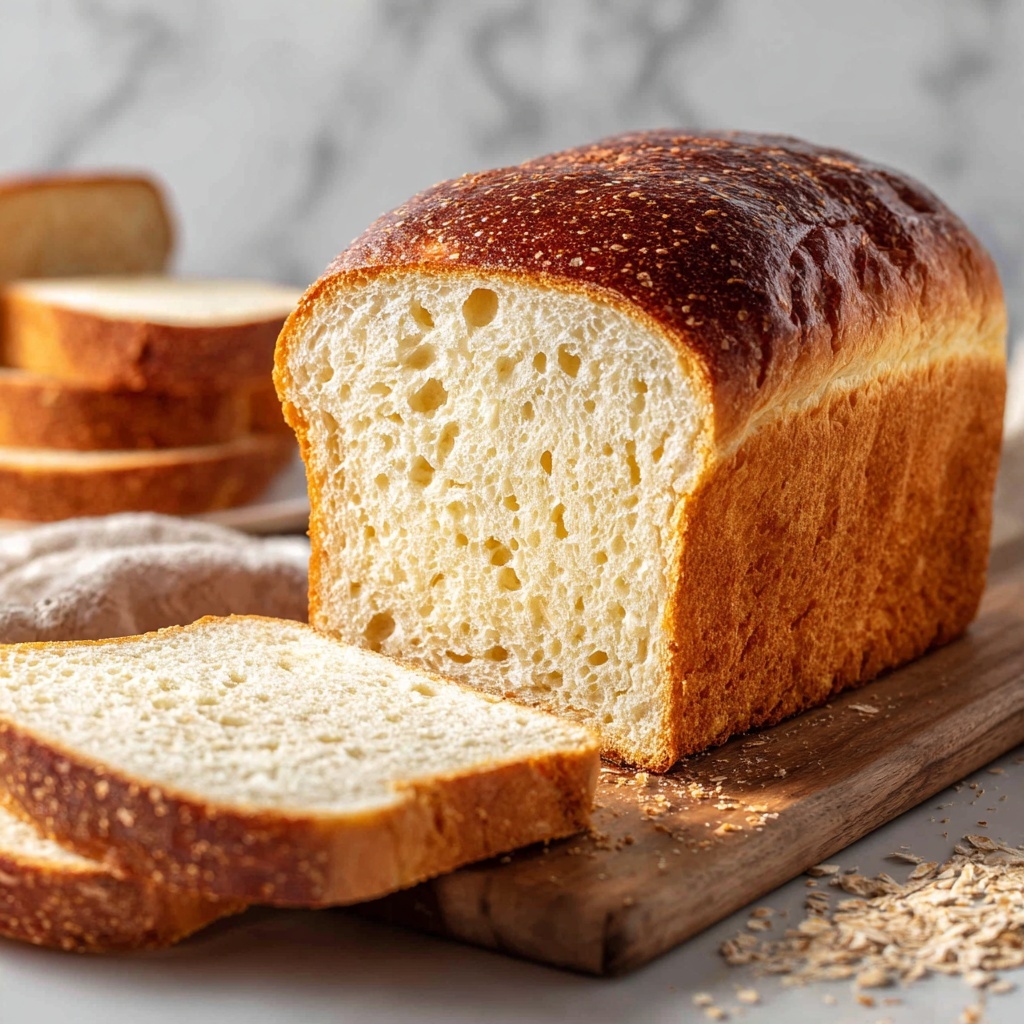
To elevate the experience, try brushing your fresh loaf with a little melted butter right after baking for added richness. A sprinkle of fresh herbs like rosemary or thyme on top can also add a lovely aromatic touch that pairs beautifully with the bread’s mild flavor.
Side Dishes
This soft fluffy French bread is incredibly versatile alongside everything from hearty stews and soups to fresh salads. It’s perfect for soaking up sauces or simply slathered with butter and jam for an indulgent snack.
Creative Ways to Present
Slice your loaf thickly and use it as a base for bruschetta, topped with diced tomatoes, garlic, and basil. Or toast slices to make gourmet sandwiches that highlight the bread’s delicate softness, turning any meal into an occasion.
Make Ahead and Storage
Storing Leftovers
Leftover bread is best kept in a paper bag or wrapped loosely in a kitchen towel to maintain its crust without making it soggy. Store at room temperature for up to two days to enjoy that fresh-baked softness.
Freezing
If you want to keep your Soft Fluffy French Bread Recipe fresh for longer, slice it first and freeze the pieces in a sealed plastic bag. This way, you can toast or warm only what you need, preserving the loaf’s texture and flavor.
Reheating
To revive the softness in frozen bread, toast slices directly or warm the whole loaf in a 350°F oven wrapped in foil for about 10 minutes. This gentle reheating brings back the lovely freshness of the original bake.
FAQs
Can I use whole wheat flour instead of all-purpose flour?
You can substitute whole wheat flour, but the texture will be denser and less fluffy. For best results, try a mix of half whole wheat and half all-purpose flour to maintain softness.
What if my yeast doesn’t foam during activation?
If the yeast doesn’t get frothy, it might be expired or the water temperature was too hot or cold. Make sure your water is warm, not hot, and try using fresh yeast next time for a perfect rise.
Can I make this bread without kneading by hand?
Absolutely! A stand mixer with a dough hook works wonderfully and saves time, kneading the dough thoroughly in just a few minutes for that soft, elastic texture.
How can I tell when the bread is done baking?
The bread should be golden brown on top and sound hollow when you gently tap the bottom. Using a thermometer to check for an internal temperature of about 190°F also ensures it’s fully baked.
Is the egg wash necessary?
The egg wash adds a lovely sheen and slightly crisp crust, but if you prefer a more rustic look, you can skip it without impacting the bread’s soft, fluffy interior.
Final Thoughts
There’s something truly special about baking your own Soft Fluffy French Bread Recipe at home—each step is a small celebration of patience and flavor that pays off in a loaf bursting with warmth and comfort. So warm up your kitchen, gather your ingredients, and give this recipe a try. I promise once you taste it, you’ll want this bread in your weekly rotation for every meal and occasion.
Print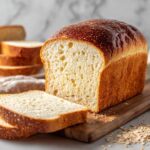
Soft Fluffy French Bread Recipe
- Prep Time: 20 minutes
- Cook Time: 25 minutes
- Total Time: 1 hour 45 minutes
- Yield: 1 loaf (1 serving)
- Category: Bread
- Method: Baking
- Cuisine: French
Description
This Soft Fluffy French Bread recipe yields a tender, airy loaf with a golden crust, perfect for sandwiches, toast, or enjoying fresh. Made with simple ingredients and traditional yeast rising, the bread offers a homemade, bakery-quality experience in just under two hours.
Ingredients
Dry Ingredients
- 2.5–3 cups all-purpose flour
- 1 tablespoon white granulated sugar
- 1 teaspoon salt
- 2 teaspoons active dry yeast
Wet Ingredients
- 1 cup warm water
- 1 tablespoon olive oil or vegetable oil
- 1 egg, beaten (for brushing the top)
Instructions
- Activate the Yeast: In a small bowl, combine warm water and sugar, then sprinkle yeast over the surface. Let it sit for 10 minutes until the mixture becomes frothy, indicating that the yeast is active and ready.
- Mix Dry Ingredients: In a large mixing bowl, combine 2.5 cups of the all-purpose flour with the salt. Stir well to evenly distribute the salt throughout the flour.
- Combine Wet and Dry Ingredients: Make a well in the center of the flour mixture. Pour in the activated yeast mixture and olive oil. Stir until the ingredients come together to form a rough dough.
- Knead the Dough: Transfer the dough onto a lightly floured surface. Knead it vigorously for 8 to 10 minutes, adding flour if needed, until the dough becomes smooth, elastic, and no longer sticky.
- First Rise: Lightly oil a large bowl and place the kneaded dough inside. Cover with a damp cloth and leave in a warm area for about 1 hour, or until the dough doubles in size.
- Shape and Second Rise: Punch down the risen dough to release trapped air. Shape it into a loaf and place it on a parchment-lined baking sheet. Cover loosely and allow to rise for another 30 minutes until puffed.
- Preheat Oven and Prepare Egg Wash: Preheat the oven to 375°F (190°C). Brush the top of the loaf gently with the beaten egg to create a shiny, golden crust once baked.
- Bake: Bake the loaf in the preheated oven for 20 to 25 minutes until it turns golden brown and sounds hollow when tapped on the bottom, signaling it is fully baked.
- Cool: Remove the bread from the oven and place it on a wire rack to cool completely before slicing. This prevents the loaf from becoming gummy inside.
Notes
- Use warm water (around 110°F or 43°C) to properly activate the yeast without killing it.
- If the dough is too sticky during kneading, add flour a tablespoon at a time to prevent it from drying out.
- Letting the bread cool completely before slicing ensures better texture and crumb structure.
- You can substitute vegetable oil for olive oil for a more neutral flavor.
- Ensure the yeast is fresh; expired yeast may not activate properly, leading to a dense loaf.